6 Common Website Design Myths: The Truth Revealed

Are misconceptions about website design hindering your online success? In this article, we debunk four prevalent myths about website design that could be limiting your business’s potential. By understanding the truth behind these myths, you can make informed decisions to enhance your website’s effectiveness and user experience.
Website Design Myths #1: It’s Very Expensive to Have a Website Built
Myth: Having a website built for you costs a fortune.
Truth: While building a website can be costly, it doesn’t have to break the bank. The key is understanding what’s worth investing in. For instance, a domain name might cost around £10 per year, while reliable hosting can range from £15–£30 per month. You can also use free yet powerful platforms like WordPress to keep costs down. If hiring a freelancer, a professional-looking website can often be achieved for £500.
However, cutting corners with bargain hosting or unqualified help often leads to problems, such as downtime or unprofessional results. Instead, think of your website as an investment – it’s a vital asset for your business.
Takeaway: A well-built website doesn’t have to cost a fortune if you allocate your budget wisely and prioritize quality essentials.

Website Design Myths #2: It’s Too Technical for Most People to Do Themselves
Myth: Setting up a website is too technical unless you’re a pro.
Truth: Thanks to user-friendly platforms like WordPress, building a website no longer requires coding expertise. With a step-by-step approach and some patience, even beginners can create a functional website. Many platforms offer drag-and-drop editors, pre-designed templates, and tutorials to guide you through the process.
Think of it like assembling furniture: with clear instructions and a bit of trial and error, it’s entirely manageable. And remember, every website you build improves your confidence and skills.
Takeaway: Building a website is accessible to anyone with the willingness to learn and experiment, thanks to modern, intuitive tools.

Website Design Myths #3: Looks Matter More Than Practicality
Myth: The most important thing about your website is how it looks.
Truth: While aesthetics are important, they should never overshadow functionality. A beautiful website with broken links, unreadable text, or a non-functional contact form frustrates users and drives them away. Instead, focus on creating a practical, user-friendly experience.
Ensure your links work, your site is mobile-friendly, and navigation is intuitive. Once your website runs smoothly, then refine its appearance to complement its functionality. Visitors are more likely to stay and engage with a site that works well, even if its design is simple.
Takeaway: Prioritize functionality over appearance to create a seamless and enjoyable user experience.
Website Design Myths #4: Your Website Will Look the Same on All Browsers
Myth: Websites look identical on all browsers.
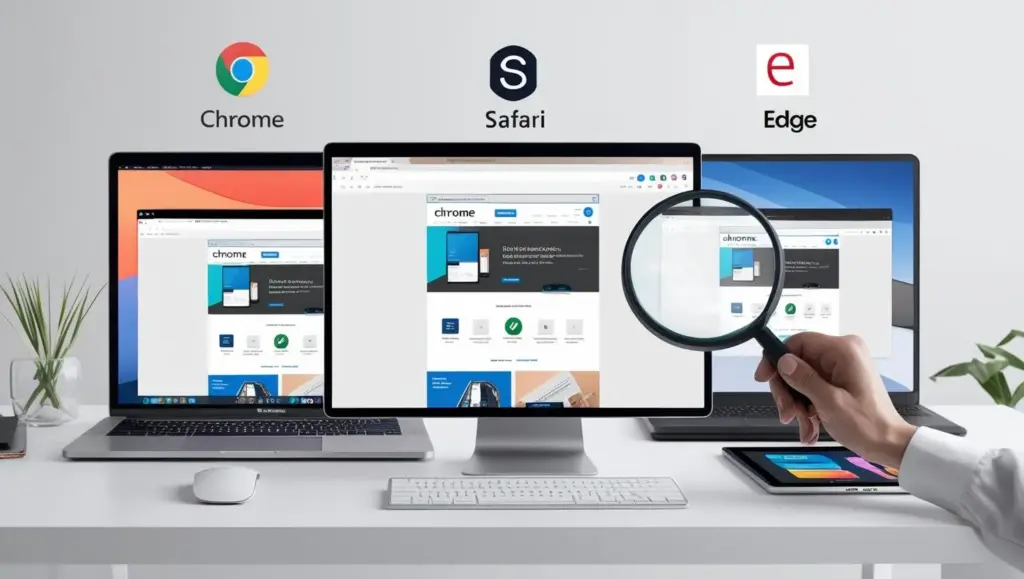
Truth: Different browsers (e.g., Chrome, Safari, Edge) interpret your website’s code slightly differently, which can result in variations in appearance or functionality. While platforms like WordPress handle much of this for you, subtle differences still occur.
Testing your website across multiple browsers and devices ensures a consistent experience for all users. A good developer knows how to optimize your site to minimize these discrepancies, improving its reliability and user satisfaction.
Takeaway: Always test your website on different browsers and devices to deliver a consistent experience for your visitors.
Website Design Myths #5: A Website’s Design is a One-Time Task
Myth: Once your website is designed, it doesn’t require further attention.
Truth: Web design is far from a “set it and forget it” process. Technology evolves rapidly, and user expectations shift over time. A website designed five years ago may look outdated today, and it could fail to meet current SEO standards or mobile usability guidelines.
Regular updates ensure your site stays fresh, functional, and aligned with modern design trends. For example, adding new features like chatbots, improving page speed, or updating your site’s visual style can keep it competitive. Think of it like maintaining a car—regular tune-ups and upgrades keep it running smoothly and looking great.
Takeaway: Plan for ongoing website improvements to keep your online presence relevant and engaging.
Website Design Myths #6: Stock Photos are Sufficient for a Professional Website
Myth: Using stock photos is enough to make your website look professional.
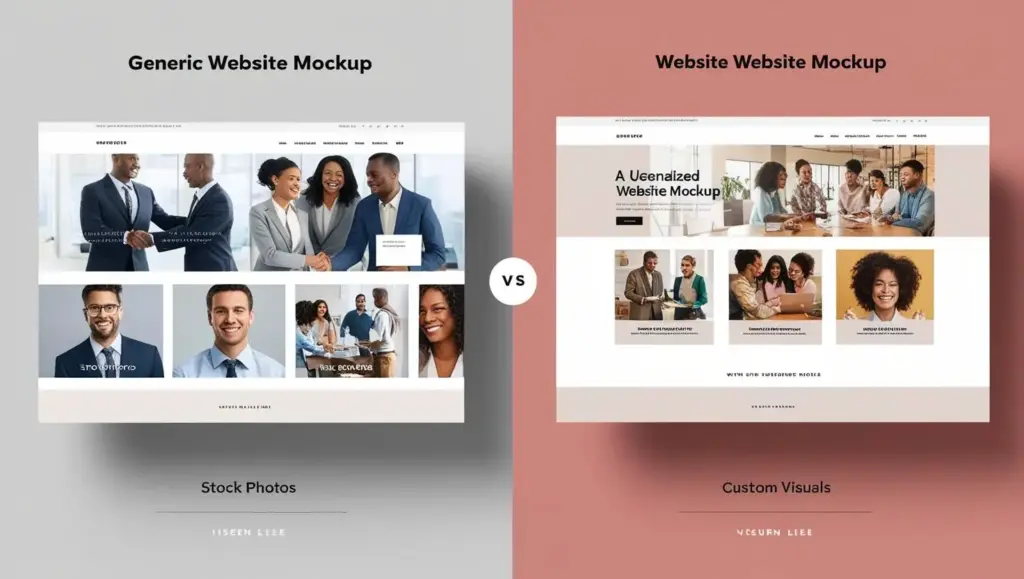
Truth: While stock photos can be useful for quickly populating a website with visuals, relying solely on them may make your site feel generic or disconnected from your brand. Authenticity is key to building trust with your audience, and nothing beats original, high-quality images that reflect your business’s personality and values.
Consider using a mix of custom photography, infographics, and branded visuals. For example, photos of your team, workspace, or products can establish a more personal connection with visitors, boosting credibility and engagement.
Takeaway: Use custom visuals whenever possible to create a unique and trustworthy online presence.
Your Website, Your Visitors, Your Success
Designing a website doesn’t have to be intimidating, expensive, or overly technical. With the right approach, you can create something that not only looks great but works flawlessly for your visitors. Remember, the key to a successful website is keeping your audience in mind at every step.
If you feel stuck or overwhelmed, don’t worry—we’re here to help! At Evergreen Marketing Academy, we take the guesswork out of website design, delivering beautiful, practical websites that help your business thrive. Ready to get started? Get in touch with us today, and let’s bring your vision to life.
Quick FAQ About Website Design
For more commonly asked questions, check out our FAQ section here.