Online Courses That Captivate: 5 Proven Strategies for E-Learning Success

In the era of digital transformation, online courses have become one of the most effective ways to share knowledge, establish authority, and generate income. Whether you’re a business owner, educator, or entrepreneur, diving into the world of e-learning can elevate your brand and provide long-term value for your audience. This guide will walk you through everything you need to know about designing, launching, and marketing a successful online course. Let’s get started!
Why Online Courses are Brilliant for Your Business
Online courses are a game-changer, offering benefits far beyond just generating income. For example, Sarah, a fitness coach, created a virtual training program that not only increased her revenue but also allowed her to reach clients worldwide.
Beyond financial gains, e-learning establishes your credibility and authority. Imagine becoming the go-to expert in your field—whether it’s marketing, photography, or coding. Plus, online courses allow students to access material on their own schedule, making them ideal for busy professionals.
Here’s why online courses are an essential tool for growth:
- Passive Income Stream: Once created, an online course can generate consistent revenue.
- Authority Building: Sharing your expertise positions you as a thought leader in your industry.
- Global Reach: Break geographical barriers and teach students from around the world.
- Convenience for Learners: Students can learn at their own pace, enhancing accessibility.
- Cost-Effective Training: Save money by creating an evergreen course that delivers long-term value.
Whether your goal is to educate, inspire, or monetize your knowledge, online courses offer limitless opportunities.

How to Create an Online Course
Launching a successful online course takes thoughtful planning and execution. Here’s how to create content that captivates and delivers results:
1. Identify Your Target Audience
The first step is understanding who your course is for. Define your audience by:
- Demographics: Age, profession, and location.
- Pain Points: What challenges do they face?
- Learning Preferences: Do they prefer videos, quizzes, or written guides?
For example, if you’re a digital marketer, your course could target small business owners who want to run their own social media campaigns. Use tools like Google Analytics, Facebook Audience Insights, or Typeform surveys to gather data about your ideal learners.
2. Choose a Profitable Course Topic
Select a topic that aligns with your expertise and addresses a real need in the market. Use Google Trends, Reddit forums, and social media polls to gauge interest.
Pro Tip: Focus on niche topics that solve specific problems. For instance, instead of “Marketing Basics,” create a course on “How to Run Profitable Facebook Ads for Small Businesses.”
3. Structure Your Course Content
Break your course into clear, digestible modules:
- Introduction Module: Provide an overview and explain the value of the course.
- Core Modules: Deliver step-by-step lessons that build on each other.
- Bonus Material: Include downloadable templates, worksheets, or case studies.
4. Incorporate Multiple Learning Styles
Engage learners by using a variety of teaching methods:
- Video Lectures: Ideal for visual and auditory learners.
- Quizzes and Interactive Exercises: Reinforce key concepts.
- PDFs and E-Books: Perfect for those who prefer written material.
5. Set Clear Learning Objectives
At the beginning of each module, clearly outline what students will gain. For example:
“By the end of this lesson, you’ll know how to create a content calendar for your social media strategy.”
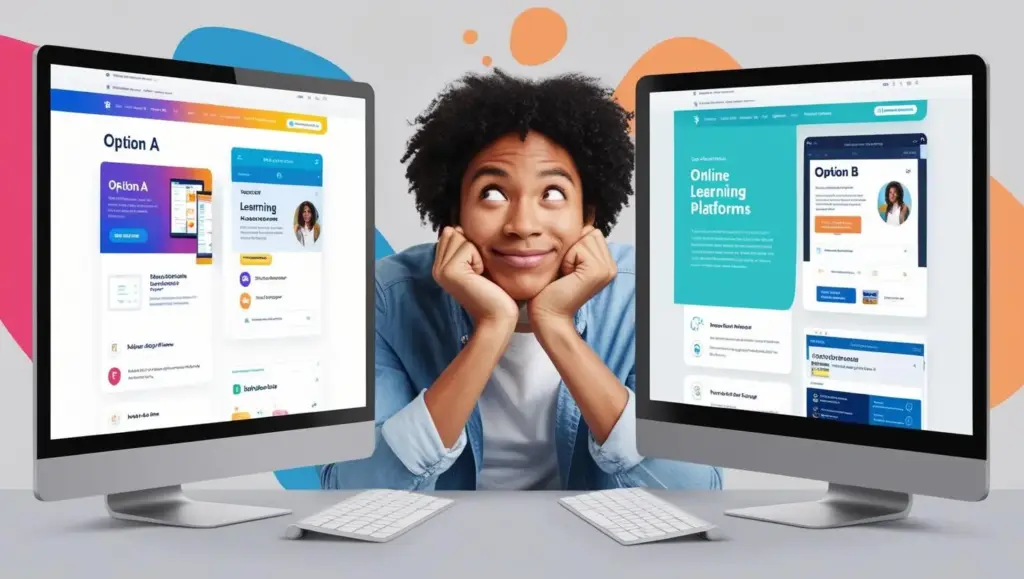
Choosing the Best Platform for Online Learning
Selecting the right platform ensures your course is accessible, user-friendly, and professional. Here’s a comparison of popular platforms:
- Teachable: Simple, beginner-friendly, and includes marketing tools like sales pages.
- Thinkific: Highly customizable and offers a free plan, making it ideal for small businesses.
- Kajabi: A premium platform with built-in email marketing and automation tools.
Not sure where to start? Many platforms offer free trials, so you can test their features before committing.
For more insights, check out Zapier’s guide: The 10 Best Platforms to Create and Sell Online Courses in 2024.
Pricing and Marketing Your Online Course
1. Pricing Your Course
Set a price that reflects your course’s value and target audience. Common pricing models include:
- One-Time Fee: A straightforward payment (e.g., $97 for lifetime access).
- Subscription Model: Monthly fees for ongoing access to content.
- Tiered Pricing: Offer basic, premium, and VIP options to cater to different budgets.
2. Marketing Strategies to Boost Sales
Once your course is ready, promote it with these strategies:
- Social Media Marketing: Share teaser videos, testimonials, and behind-the-scenes content.
- Email Campaigns: Build excitement with exclusive previews or discounts.
- Webinars: Host a live session to showcase your teaching style and engage potential students.
- SEO Optimization: Write blog posts or create landing pages targeting keywords like “online learning” or “best online courses for beginners.”
Continuous Improvement: Keep Your Course Fresh
An excellent course evolves with time. Gather feedback using tools like SurveyMonkey or Typeform and update your content regularly to ensure it stays relevant.
For instance, if students in your photography course request advanced editing tips, create a new module to address their needs. Regular updates not only improve the course but also keep students engaged and coming back for more.
Final Thoughts
Creating an online course is a rewarding journey that can transform your expertise into a scalable business. By following these steps—identifying your audience, crafting engaging content, choosing the right platform, and implementing smart marketing strategies—you’ll not only educate your audience but also build a thriving presence in the world of e-learning.
Ready to share your knowledge and create a lasting impact? Start building your course today and watch your business flourish! If you’d like more information about digital products, check out our 5 Step Starter Guide to Selling Digital Products Online.